
Nut sizing may seem like just another stage in a processing line, but in reality it has a direct impact on many of the operations that follow.
Correctly separating the product by size creates a more consistent raw material and makes it easier to fine-tune processes such as shelling, peeling, sorting and even certain cutting operations.
When the product is poorly graded, the problem does not always become apparent straight away. It is often carried over into subsequent stages in the form of lower yields, increased breakage, less precise machine settings or inconsistent results.
For this reason, sizing should not be seen simply as a separation process. It is one of the first decisions that determines the efficiency of the entire line.
What does it mean to size nuts correctly?
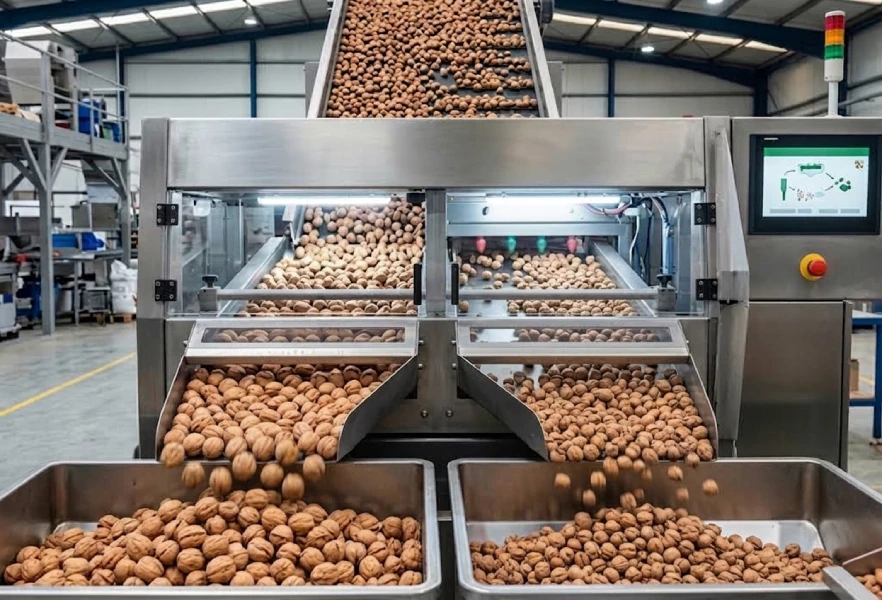
The purpose of sizing is to separate the product into groups with similar dimensions.
Maseto defines sorting and screening processes as a way of filtering and separating products by size and quality in order to achieve a more consistent end result.
The principle is straightforward: the more uniform the product entering a machine, the easier it is to configure that stage to operate under the right parameters.
Problems arise when products of significantly different sizes are processed within the same flow.
A setting designed for a particular size may be insufficient for larger products and too aggressive for smaller ones.
Sizing has a direct impact on shelling
In shelling, product size is a critical variable.
A line must apply enough force to break the shell without causing unnecessary damage to the kernel.
When sizes are properly separated, machinery can be adjusted much more precisely. When they are not, finding a single setting that works effectively across the entire product flow becomes much more difficult.
Poor sizing can lead to two main problems:
- shells that do not open properly;
- kernels being subjected to more pressure than necessary and becoming damaged.
In both cases, efficiency is reduced.
Good sizing makes peeling easier and more consistent
The same principle applies to stages such as peeling or blanching.
Nuts do not respond in exactly the same way when their sizes vary. When equipment receives a more uniform feed, it becomes easier to maintain stable process settings.
This is particularly important when the objective is not simply to remove the skin, but to preserve the surface of the product and maintain its quality.
Maseto approaches peeling as a process designed to remove the skin using controlled methods that protect the surface of the kernel.
Effective sizing beforehand helps create the right conditions to achieve this.
Consistency improves process stability
In industrial production, stability is just as important as capacity.
A machine may be capable of processing a certain number of kilograms per hour, but if the characteristics of the incoming product are constantly changing, the same settings will no longer remain equally effective throughout the production cycle.
A more consistent feed makes it easier to achieve:
more precise machine settings;
less variability in results;- fewer reprocessing requirements;
- greater production continuity;
- better use of the raw material.
Sizing should therefore be analysed as part of the complete process flow rather than as an isolated operation.
Proper sizing can also help identify bottlenecks
A processing line may be correctly dimensioned on paper and still encounter problems when the incoming product has a different size distribution from the one originally anticipated.
If a particular stage receives a higher volume of certain sizes than it can process efficiently, this can result in accumulation, recirculation or a loss of production pace.
A well-designed sizing system helps organise the flow and distribute the product more effectively across the subsequent stages.
This contributes to maintaining the overall balance of the line.
Sizing also influences final sorting
Later sorting and grading stages are designed to obtain a product with consistent quality.
However, the more controlled the product is when it reaches this stage, the easier it becomes to apply the appropriate criteria.
A processing line in which size, quality and product characteristics are properly organised from the early stages can reduce the need to correct problems at the end of the process.
This does not mean that sizing is responsible for everything, but rather that each stage should prepare the product for the next.
How to tell whether sizing is affecting performance
There are several signs that may indicate the sizing system needs to be reviewed:
- increased breakage during shelling;
inconsistent results between batches;- frequent need to readjust machinery;
- excessive amounts of product being reprocessed;
- significant quality differences within the same production run;
- bottlenecks at specific stages.
When these symptoms appear, the solution is not always to change the machine where the problem becomes visible.
The root cause may be several stages earlier in the process.
Line design must take sizes and varieties into account
Every processing plant operates under different conditions.
Not every customer processes the same varieties, receives the same product sizes or aims to achieve the same final product.
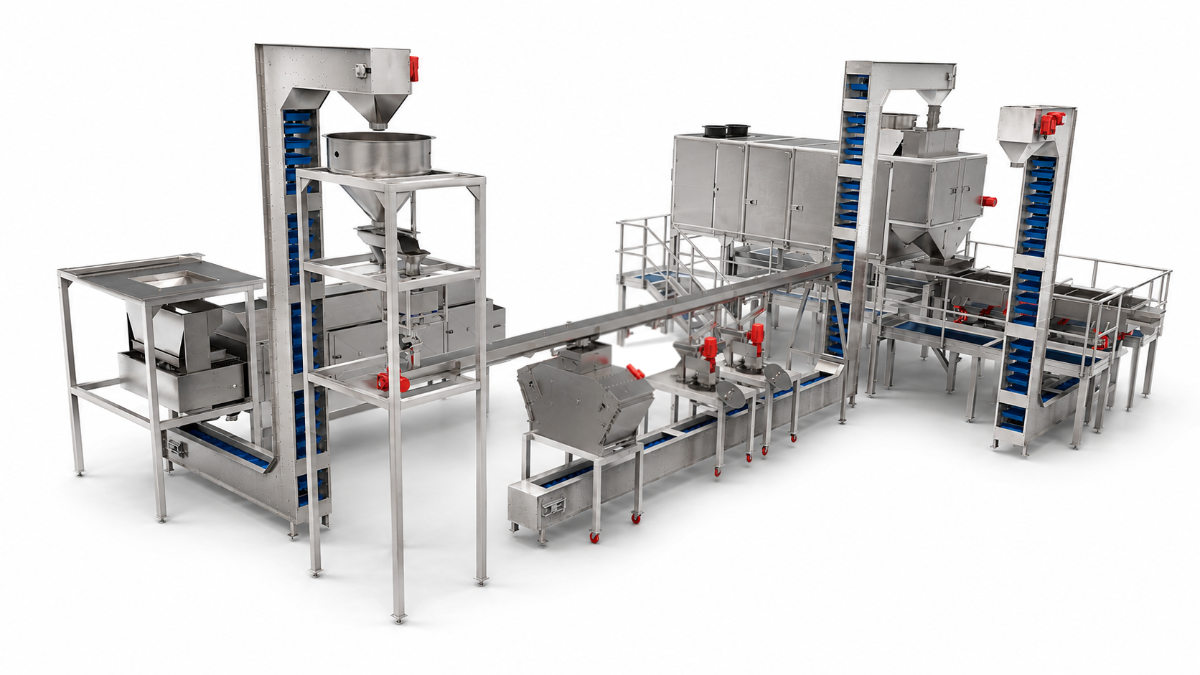
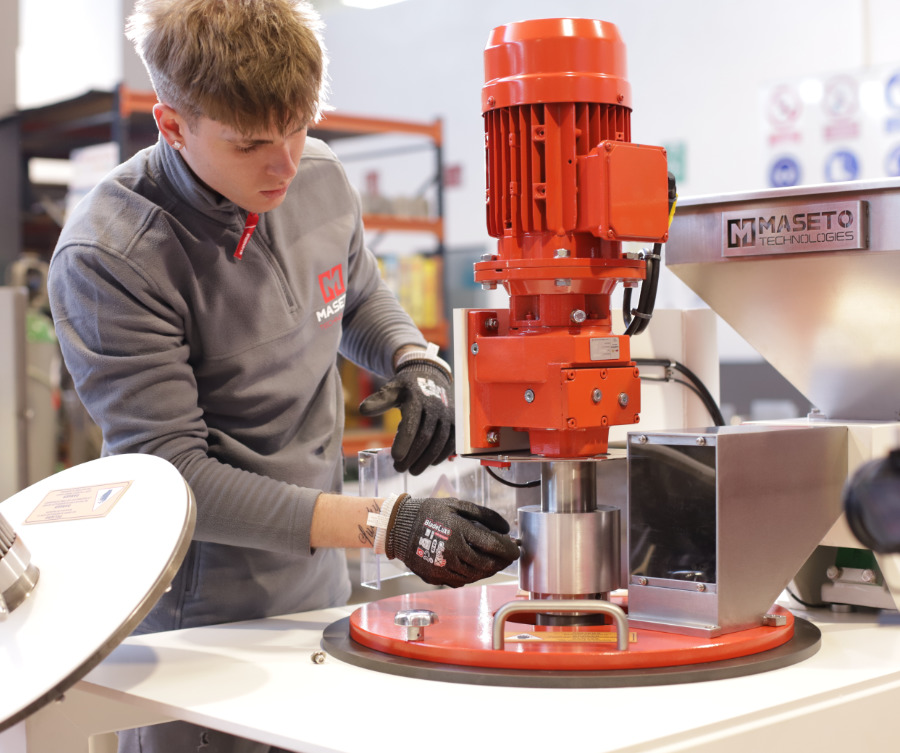
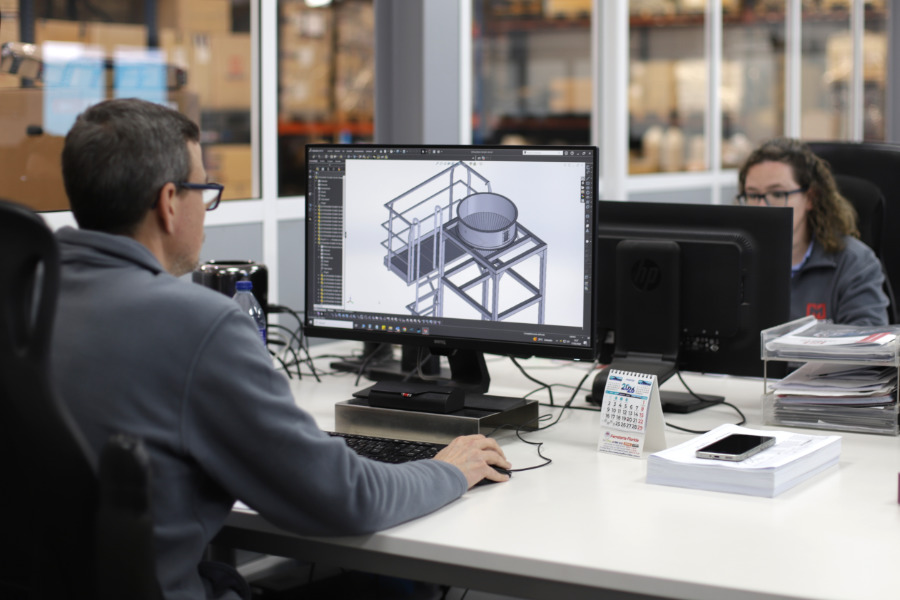
That is why Maseto approaches line design by analysing each customer’s real requirements rather than simply selecting individual machines. The company develops complete solutions for a wide range of nut and sesame processing applications, combining customised manufacturing, R&D and equipment adapted to specific production conditions.
Its equipment is also designed around versatility, easy maintenance, long service life and stainless-steel construction.
Nut sizing is a performance decision
At first glance, separating a product by size may appear to be a relatively simple operation.
In an industrial processing line, however, its impact is much greater.
A well-designed nut sizing process allows shelling, peeling, sorting and other stages to operate under more stable and predictable conditions.
This leads to better product yield, fewer unnecessary adjustments and a more balanced processing line.
At Maseto Technologies, every process is designed around a simple principle: each stage should make the next one work better.
Because optimising a processing line is not about demanding more from each individual machine, but about making the entire system perform better.