
Industrial machinery maintenance should not be seen simply as a way to prevent breakdowns.
In a processing plant, proper maintenance has a direct impact on equipment service life, production stability, product quality and the overall return on investment.
Industrial machinery is not purchased to operate for a few months. It is designed to remain part of a production process for many years.
That is why its real cost cannot be assessed solely on the basis of the initial purchase price.
It is also important to consider how long the machine can remain productive and under what operating conditions.
Service life starts with design and component quality
Maintenance can extend the life of a machine, but it cannot compensate indefinitely for poor design or low-quality components.
Durability begins before the equipment is installed.
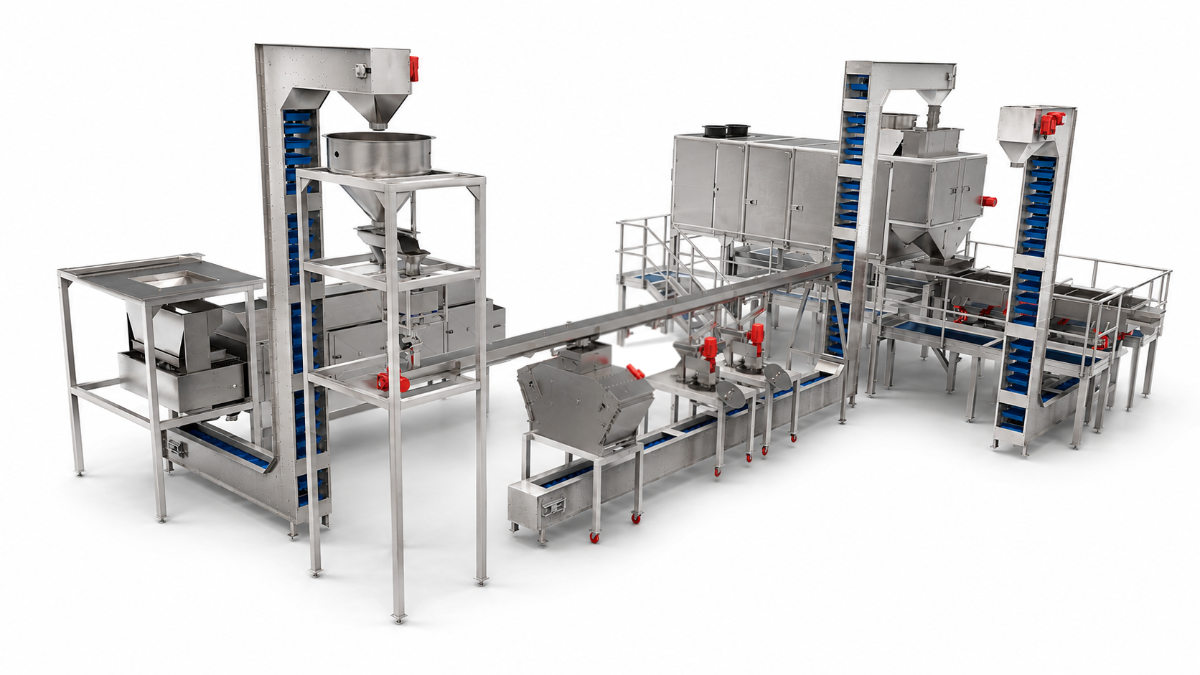
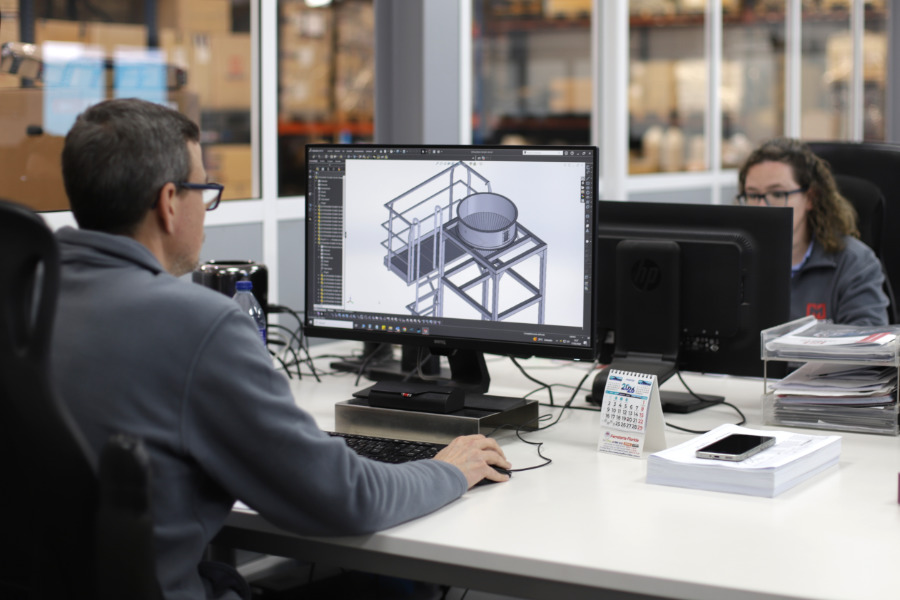
Maseto highlights component and material selection, manufacturing controls and the work of a specialised technical team as key factors in producing machinery designed for demanding markets.
Its equipment is developed to offer high durability, versatility, easy maintenance and stainless-steel construction.
This technical foundation helps reduce the risk of premature failure and makes maintenance easier throughout the machine’s service life.
Properly maintained machinery operates more consistently
Major breakdowns tend to receive most of the attention, but there are other, less visible problems.
Play in moving parts, progressive wear, poorly adjusted components or product build-up can gradually alter the way a machine performs.
The equipment may still be running, but no longer under the same conditions.
This can affect:
precision;- product quality;
- actual capacity;
- consumption;
- vibration;;
- production times;
- wear on other components.
Proper maintenance helps identify these deviations before they develop into more serious problems.
Preventive maintenance versus corrective maintenance
Waiting for something to fail is usually the most expensive approach.
Corrective maintenance means taking action once the problem has already caused downtime or a loss of performance.
Preventive maintenance aims to do the opposite: intervene before failure occurs.
Inspecting components, checking wear, verifying settings and replacing certain parts when necessary makes it possible to plan interventions and reduce the likelihood of unexpected downtime.
This planning is particularly important in plants with seasonal production.
Periods of lower activity can be used to prepare the installation before the next production season begins.
A breakdown costs more than the repair itself
When a machine stops within a production line, the cost is not limited to the part that needs replacing.
It may also involve:
- lost production hours;
- staff unable to work normally;
- product held up within the process;
- delays to orders;
- shift reorganisation;
- reduced capacity across the entire line.
The more critical the machine, the greater the impact can be.
Maintenance should therefore form part of the production strategy rather than being treated simply as a technical expense.
Maintenance also protects product quality
A worn machine does not always stop working.
Sometimes it keeps running, but performs less effectively.
In sectors such as nut processing, small changes in pressure, movement, separation or conveying can affect the product surface, increase breakage or reduce consistency.
This means that maintaining machinery properly also helps maintain the quality of the product it processes.
Mechanical reliability and final product quality are more closely linked than they may appear.
Ease of maintenance should be designed in from the start
Not all machines are equally easy to maintain.
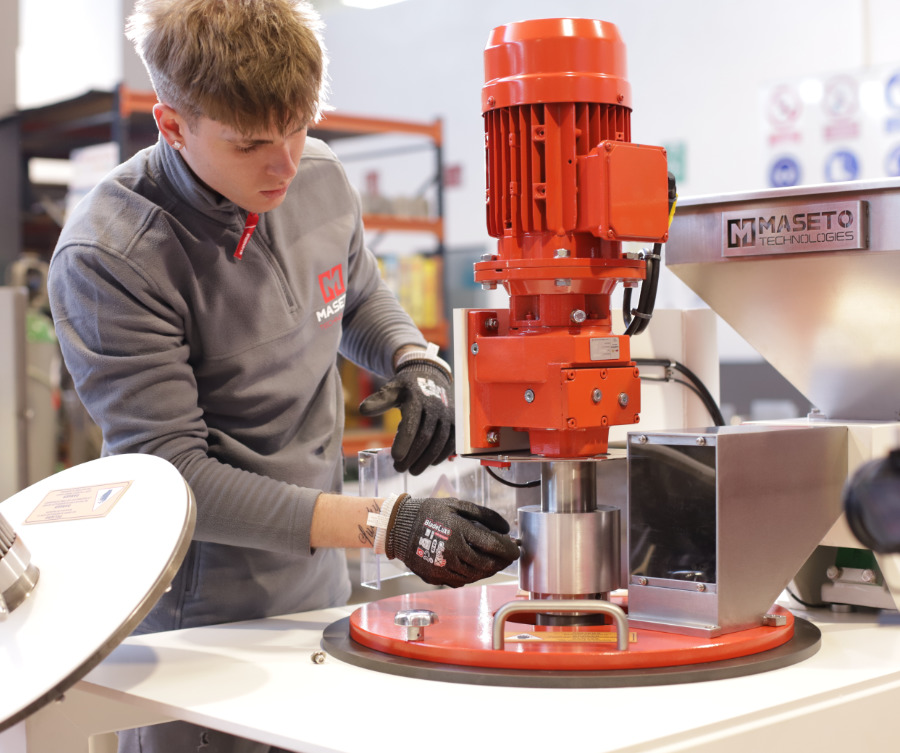
Component accessibility, the simplicity of routine inspections and the overall construction of the equipment can significantly reduce the time required for regular maintenance tasks.
Maseto identifies easy maintenance as one of the key characteristics of its machinery.
This has a direct benefit on the plant floor: the easier a routine intervention is, the easier it becomes to integrate it into the production schedule.
Machinery that is difficult to inspect makes it more likely that small maintenance tasks will be postponed until a problem appears.
Manufacturing quality reduces the need for intervention
The objective of a good machine should not be to require constant maintenance.
It should be exactly the opposite.
Maseto states that its machines are designed to operate for many years and that component quality is intended to ensure reliable performance with reduced maintenance requirements.
This does not mean that industrial machinery can simply be forgotten once installed.
It means that sound design, suitable components and planned maintenance help avoid unnecessary interventions and keep the installation stable for longer.
After-sales service is part of a machine’s service life
The relationship with the manufacturer becomes particularly important when equipment is expected to operate for decades.
A processing plant changes over time.
Products, production rates, configurations and requirements all evolve.
That is why access to technical support after installation can be just as important as the machine itself.
Maseto specifically states that its work does not end with installation and that after-sales service forms part of its commitment to helping customers obtain the maximum return from their investment.
This ongoing support makes it possible to resolve issues, adapt configurations and keep equipment operating under the right conditions.
Industrial machinery should be assessed by its total cost
Two machines with different purchase prices can end up generating very different costs over their service life.
To assess an investment properly, it is worth considering:
- initial purchase price;
- maintenance;
- spare-parts availability;
- downtime;
- consumption;
- component life;
- performance;
- ability to adapt to changes;
- years of service.
A machine that operates for decades with high availability may prove more cost-effective than one with a lower initial price but significantly higher costs later on.
This approach is particularly relevant in industrial machinery, where investments are amortised over long periods.
How to extend the service life of industrial machinery
There is no single action that guarantees durability.
Long service life depends on a combination of factors:
Operate within the correct working conditions
Using the machine within the capacity and operating parameters for which it was designed helps avoid unnecessary stress.
Carry out regular inspections
Identifying wear before it causes a failure allows maintenance to be planned in advance.
Maintain components correctly
Cleaning, adjustment and replacement of wear parts are essential maintenance tasks.
Do not ignore small changes in performance
Unusual noises, vibration or changes in output can be early signs of a developing problem.
Rely on specialist support
When the cause of an issue is unclear, taking the right action from the outset can help prevent more serious damage.
Decades of operation are also a measure of quality
In industrial machinery, durability is not just a technical characteristic.
It is also a way of measuring the quality of the investment.
Maseto Technologies develops machinery for nut and sesame processing based on research, continuous improvement, customised manufacturing and component quality.
When this technical foundation is combined with proper maintenance and effective after-sales support, equipment can remain part of the production process for many years.
Because a profitable industrial machine is not simply one that performs well when it is new.
It is one that continues to perform well many years later.